

 Registration is open for NSPECon26 in New York City, New York!
 Volunteering at NSPE is a great opportunity to grow your professional network and connect with other leaders in the field.
 Decisions at the ballot box influence policies that support engineering standards and public safety.
The engineering profession is evolving at an unprecedented pace. New technologies are reshaping industries, sustainability is no longer optional, and the workforce itself is transforming. So, what does this mean for the engineers leading the way?
The NSPE 2025 Engineering Outlook Survey dives into the challenges and opportunities shaping the profession today. It explores the rise of artificial intelligence, the pressing need for knowledge transfer in the AEC industry, and how engineers are stepping up to tackle climate change. It also uncovers what keeps engineers inspired—and what’s keeping them up at night.
EMERGING TECHNOLOGIES: The AI Revolution and Beyond
The professional engineer’s commitment to public health, safety, and welfare makes them essential in guiding the responsible development and deployment of new technologies such as artificial intelligence (AI), autonomous vehicles, and machine learning, ensuring these innovations align with the public interest. NSPE’s Emerging Technologies Committee is charged with identifying the top emerging technologies that are currently or will have an immediate impact on the engineering profession and the public health, safety, and welfare and into the future.
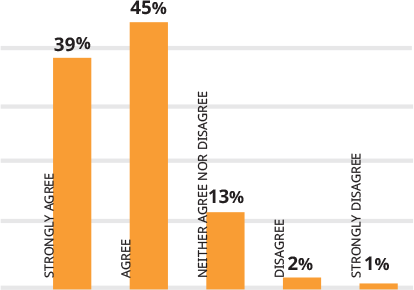
Artificial intelligence has materialized as the most transformative force shaping the future of engineering. In the 2025 survey, 92% of engineers agreed that AI will play a significant role in the profession in the near future, underscoring its rapid evolution and growing influence across industries.
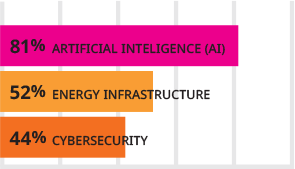
When asked to identify the top emerging technologies that will most impact the profession in the next 5–10 years, engineers ranked as the top three:
SUSTAINABILITY AND CLIMATE CHANGE: A Growing Commitment
NSPE supports licensed professional engineers in their efforts to protect the environment for future generations. NSPE also recognizes that attention to preserving and improving the environment is critical to the sustainability of the planet and is an integral part of the practice of engineering.
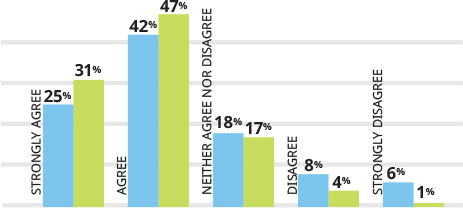
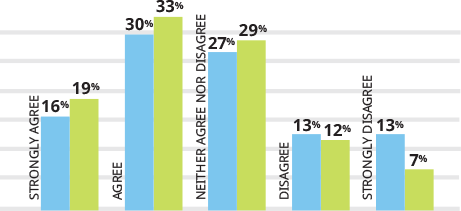
Sustainability and climate change are increasingly shaping the engineering profession. In the 2025 survey, 78% of engineers agreed that promoting sustainable and resilient design is essential, up from 67% in 2022. Support for engineers taking a more active role in addressing climate change also grew, rising from 46% in 2022 to 52% in 2025.
Opposition to sustainability efforts has declined, with just 5% disagreeing that engineers should promote sustainable design (down from 14% in 2022). Similarly, fewer engineers now oppose involvement in climate change initiatives, with 19% disagreeing, compared to 26% in 2022.
2022 VS 2025 Professional engineers should promote sustainable and resilient design practices.
2022 VS 2025 Professional engineers should be more involved in addressing climate change issues.
MODERNIZING LICENSURE: Support for Mobility, Divided on Reform
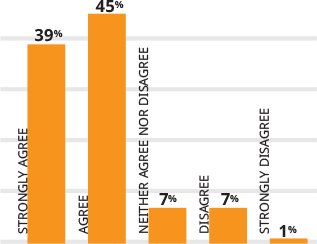
As professional engineering continues to evolve, survey participants expressed strong support for efforts to improve licensing mobility while remaining divided on broader licensure reforms. Eighty-four percent of respondents strongly agreed or agreed that state licensing requirements should be aligned to allow engineers to practice more easily across jurisdictions, reinforcing the profession’s need for greater flexibility.
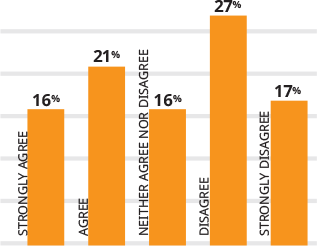
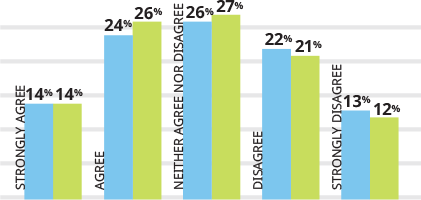
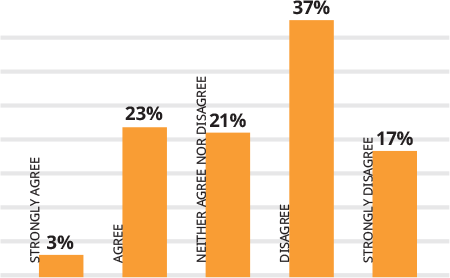
However, perspectives on changing the overall licensure model remain mixed. Thirty-seven percent agreed that all jurisdictions should allow licensure candidates to take the PE exam before accumulating four years of experience, while 44% disagreed, indicating many still value the traditional experience-based path to licensure. Similarly, 40% believe that discipline-specific licensing weakens licensure integrity, while 33% disagreed, suggesting no clear consensus on whether licensure should remain broad-based or more specialized.
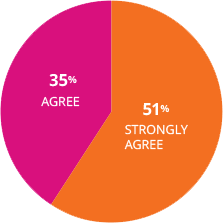
One area of agreement is the role of ethics in professional licensing—86% of engineers support requiring ethics coursework as part of continuing education for licensure renewal. As the profession continues to navigate the balance between modernization and maintaining rigorous standards, these findings highlight the areas where engineers are aligned and where debate remains.
To improve the ability of professional engineers to practice across state lines, states should align their licensing requirements.
I believe that US licensed engineers can benefit from NCEES’ mutual recognition agreements to practice in nations outside of the US.
I support that all jurisdictions should allow licensure candidates to take the PE exam prior to accumulating four years of experience.I support
Ethics courses should be a required part of continuing education for licensure renewal.
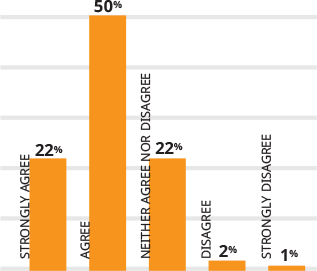
2022 VS 2025 I support changing the current licensure model to ensure that the profession adapts to emerging technologies and societal transformations.
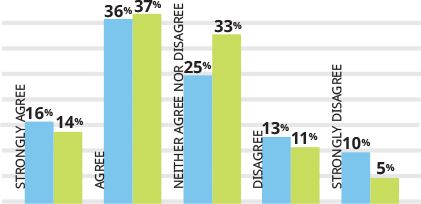
2022 VS 2025 Licensing based on discipline-specific titles or practice acts weakens rather than strengthens the integrity of the license.
TOP CHALLENGES: Succession Planning, Workforce Needs, Risk Management
As the engineering profession evolves, so do the challenges engineers face in their daily work. The 2025 survey reveals that workforce shortages, knowledge transfer, and risk management are among the most pressing concerns for today’s engineers. With 59% of survey respondents over the age of 55, the PE community is increasingly focused on succession planning and ensuring that critical expertise is passed on to the next generation.
The Most Pressing Issues
When asked to identify the top three challenges they face as professional engineers, respondents ranked the following as the most significant:
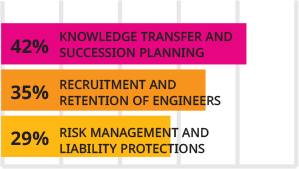
These results highlight a profession preparing for transition. As experienced engineers retire, firms must ensure that essential knowledge isn’t lost. At the same time, companies are struggling to attract and retain talent, adding pressure to an already strained workforce.
THE ENGINEERING JOB MARKET: Strong Demand, Workforce Gaps
The 2025 survey highlights a strong job market for engineers, with the majority of respondents expressing optimism about career opportunities. However, despite high demand, concerns remain about workforce shortages, particularly in infrastructure-related fields. To address the critical shortage of skilled professionals in infrastructure development, NSPE partnered with top engineering and public works associations to launch the Engineering Workforce Consortium (EWC) last year. NSPE’s involvement underscores its commitment to developing innovative solutions to nurture talent, retain expertise, and drive growth in STEM careers.
A Strong Job Market for Engineers
Respondents overwhelmingly agreed that the job market for engineers is thriving:
- 86% of respondents view the current job market for engineers as good.
- Similarly, 84% believe the market for licensed professional engineers is strong.
These findings reflect sustained demand for engineering expertise across industries, offering opportunities for career advancement and professional growth.
Infrastructure Challenges
Despite the overall positive outlook, engineers are acutely aware of gaps in workforce capacity to meet the nation’s infrastructure needs. Only 11% of respondents believe there are enough engineers to handle the majority of US infrastructure projects.
This disconnect between job market strength and workforce readiness underscores the urgent need for recruitment, retention, and knowledge transfer efforts to support the next generation of engineers.
2022 VS 2025 The current job market for engineers is good.
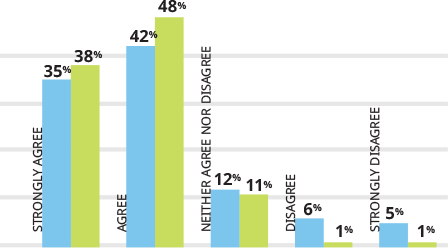
2022 VS 2025 My company/employer pays me a competitive salary.
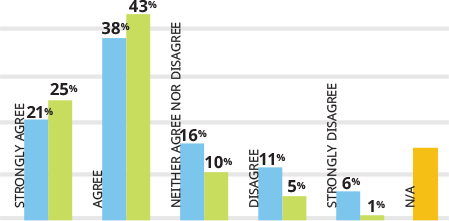
The current job market for licensed professional engineers is good.
ADVOCACY AND PUBLIC POLICY: Strengthening the Voice of Engineers
NSPE seeks to amplify the voice of professional engineers in their commitment to moving the society forward—from advocating against the erosion of licensure to ensuring that PEs play a crucial role in seeing to it that emerging technologies align with public interest. Engineers play a critical role in shaping policies that impact infrastructure, public safety, and the profession itself. The 2025 survey highlights ongoing challenges in advocacy, as well as opportunities to increase engagement and strengthen professional licensure protections.
Advocacy Participation and Barriers
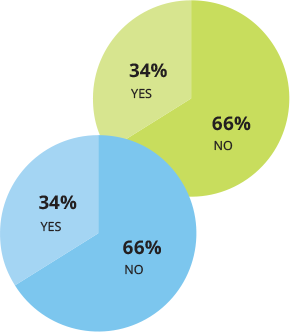
One in three engineers (34%) reported meeting or corresponding with policymakers in the past year, a figure consistent with 2022 and an improvement from earlier surveys. While this level of engagement demonstrates an active core of advocates, many engineers remain hesitant to participate. The top barriers cited include lack of time, unfamiliarity with the legislative process, and concerns about professional repercussions.
Perceptions of Public and Legislative Understanding
The 2025 survey offers new insight by separating perceptions of public and legislative understanding of the PE license. While 26% of engineers believe legislators understand the value of licensure, an even smaller 20% believe the general public does. With over half of respondents (54% for legislators, 61% for the public) expressing skepticism, these findings underscore a persistent need for education and outreach about the importance of professional engineering.
Key Policy Issues for Engineers
When asked about the most pressing legislative and regulatory issues, engineers identified several top concerns:
- Licensing (53%) – Maintaining strong licensure standards amid ongoing legislative challenges.
- Education and Workforce (51%) – Addressing skills gaps and ensuring a strong talent pipeline.
- Qualifications-Based Selection (46%) – Supporting procurement processes that prioritize expertise.
- Infrastructure (44%) – Ensuring investment in critical projects.
With engineers engaged in some of the most consequential challenges of our time—from infrastructure resilience to workforce development—the profession’s voice in advocacy remains as important as ever. Finding ways to streamline engagement and improve awareness of the PE license will be key to advancing the profession’s interests in the years ahead.
2022 VS 2025 Have you met or corresponded with legislators or public officials about an issue or legislation affecting the practice of engineering within the last 12 months?
2022 I believe the general public and legislators understand the value of the PE license and the professional engineer.
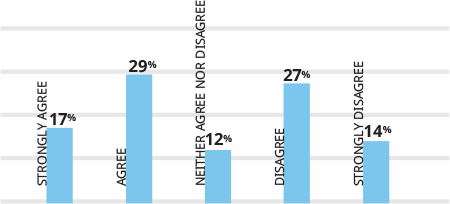
I believe the general public understands the value of the PE license and the professional engineer.
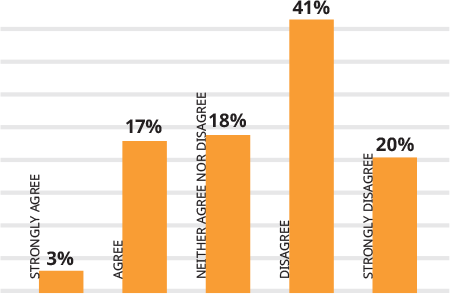
I believe legislators understand the value of the PE license and the professional engineer.
More Cover Story Articles


Creating a diverse and welcoming environment is essential for the engineering profession to thrive. NSPE recognizes that fostering inclusivity and valuing unique perspectives enriches our community, drives innovation, and ensures the public can trust the decisions impacting their lives. Read more.

Read any leadership book or article and you will usually find tips and tricks for success. Yet seldom do you see, “Here is how we failed, and it was awesome!” People often want to avoid the pain and real-life consequences of failure. Yet, failure can be a valuable source of learning and innovation. Read more.


The ability to build meaningful connections is an essential skill for all leaders. To foster courageous communication and connections not only speaks to leaders leaning into conversations but it also points to a leader’s role in creating an environment where honest communication can even exist. Read more.


When faced with a new technical or nontechnical problem, where can engineers look for solutions? Fortunately, there are many tools available to help generate new ideas. Engineers should look to biomimicry and other “fresh-thinking” tools to develop innovative solutions. Read more.

Lawmakers are facing pressure from special interest groups to weaken or even eliminate the rigor of professional licensure. The Alliance for Responsible Professional Licensing, a coalition that includes NSPE, is ramping up efforts to educate lawmakers and dispel myths about professional licensure. Read more.

Members who dedicate their time and energy to volunteer positions in NSPE, their state societies, or local chapters are crucial to helping the Society meet its goals. They also find personal rewards that are integral to achieving fulfilling careers as professionals. Read more.

In August, drought conditions and low reservoir levels led the federal government to make the first-ever shortage declaration for the Colorado River. This declaration didn’t come as a surprise to professional engineers who are working on solutions for life with less water. Read more.