

 Registration is open for NSPECon26 in New York City, New York!
 Volunteering at NSPE is a great opportunity to grow your professional network and connect with other leaders in the field.
 Decisions at the ballot box influence policies that support engineering standards and public safety.
January/February 2020
Communities: Construction
Code Developers Collaborate on Future of Building Resiliency
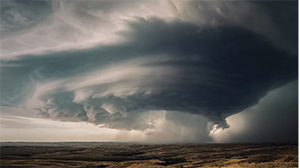 A global initiative bringing together building code developers, hazard and emergency management officials, and climate scientists from the US, Canada, Australia, and New Zealand is aiming to improve building resilience worldwide.
In November, the International Code Council launched the initiative so experts from the four countries can discuss common obstacles and share knowledge, research, and best practices. Improving building resilience has gained importance in the AEC industry in the face of increasingly severe weather events like hurricanes, earthquakes, wildfires, and mud slides.
A 2018 report by the National Institute of Standards and Technology requested by Congress addressed the rapid recovery and uninterrupted operation of buildings following natural hazard events.
“Moving towards [immediate occupancy] building performance objectives would represent a substantial change from the current design philosophy for commercial and residential buildings, which prioritizes occupant safety and not post-hazard functionality, to a design philosophy that also emphasizes preservation of building function and supports community economic and social objectives,” the report says. “The involvement and enthusiasm of professional societies and other key stakeholders would be necessary to produce change within standards developing organizations and in building codes.”
At a roundtable hosted by the International Code Council in late October, experts discussed weather events that complicate efforts to increase resiliency and require different approaches to building regulation. Following the roundtable, the countries decided to continue their collaboration, including developing a public statement and launching the initiative to form international recommendations and guidelines.
“The Code Council represents the US building safety and regulatory interests in numerous international dialogues, and we saw the need for deeper international engagement on this important and timely issue,” says Judy Zakreski, Code Council vice president of global services. “Over the course of months of ongoing intermittent discussions with our colleagues from Australia, Canada, and New Zealand, we took the initiative to pull everyone together for what was a really fruitful two days of discussions in the US.”
Ensuring building resilience is a key purpose of the international codes developed and published by the ICC. These model codes are updated every three years, which allows regular consideration of new technologies and scientific understandings.
More PE Community: Construction Articles
January/February 2020
November/December 2019