

 Registration is open for NSPECon26 in New York City, New York!
 Volunteering at NSPE is a great opportunity to grow your professional network and connect with other leaders in the field.
 Decisions at the ballot box influence policies that support engineering standards and public safety.
By embracing multigenerational dynamics and offering various mentoring opportunities, AEC firms can improve professional growth and create a sense of belonging.
In a professional engineering environment, mentoring relationships can benefit both the mentor and mentee by promoting professional growth, expanding professional networks, and developing technical skills. CDM Smith encourages employees to participate in formal mentoring relationships through our Career Compass program. The company benefits from this firmwide mentorship program because it forges stronger long-term employee commitment and results in higher retention rates, development of future leaders, and improved mentee performance. Additionally, former mentees are more apt to become mentors. An essential component to our program is understanding the value of mentoring across generations in the organization.
The current workforce includes four generations: Baby Boomers, Generation X, Millennials, and Generation Z. Baby Boomers are described as team-oriented, reliable, and work-centric, according to The Business Journals Leadership Trust blog on the multigenerational workforce. As stated in the blog, to keep them motivated, "provide them with particular goals and deadlines." Generation X (Gen X), while capable of and willing to collaborate, generally prefer to work independently and place a higher value on work-life balance compared to the previous generation. Millennials often favor collaborative work environments and are achievement-oriented, while also valuing work-life balance. Generation Z (Gen Z), frequently referred to as "born digital," have grown up with internet and technology readily accessible—they highly prioritize work-life balance, value collaboration, seek social rewards, and desire frequent feedback.
Building a Strong Foundation
Effectively fostering strong mentoring relationships within a multigenerational environment does not need to be complicated. Mentors should focus on the experiences and knowledge they can contribute to the relationship by providing examples of their accomplishments, listening to mentees’ aspirations for career growth, and assisting in developing a plan to acquire the necessary knowledge and skills to achieve mentee goals. Depending on where the mentee is in their career, they may not yet have a clear vision of their desired career path. This scenario presents a mentor with the opportunity to help formulate a plan to explore opportunities available within the company. Begin by establishing a strong foundation for your mentor/mentee relationship by clearly communicating the expected outcomes.
Mentors should pay attention to how mentees respond to both praise and criticism, while mentees should demonstrate openness to feedback and coaching. Most importantly, maintain honesty throughout the partnership. Recognize what works and what needs adjustment, as this is crucial for the longevity of the relationship.
A Reflection on the Impact of Projects
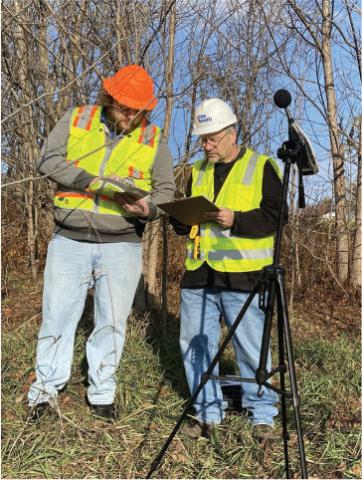
To engage Millennials and Gen Z employees, it is important to help them understand their role within the company and on project teams, and how their project success ultimately contributes to company success. Participating in site visits, discussing design constraints, and hearing the rationale for design decisions are beneficial experiences. Additionally, understanding how a project may impact the local community, either positively or negatively, can provide valuable context.
Reflecting on past projects—such as roadway infrastructure projects, community park and trail improvements, environmental initiatives, or even the aftermath of natural disasters—can help a mentee develop a deep appreciation for the work at hand. This reflection lends to understanding about how these projects have shaped their own daily life or that of their family and community. Encouraging mentees to reflect on projects that affected their youth, such as in their formative years and adolescence, can help them connect with their work on a personal level.
Explaining how an individual’s role on a project aligns with the project team’s goals can foster a sense of project ownership. Encourage mentees to ask questions and strive to understand manager’s expectations. These mentor actions help foster a mentee’s sense of project ownership; doing so helps them identify long-term career objectives by recognizing their likes and dislikes and determining the skills required to achieve their goals.
Building a Professional Network
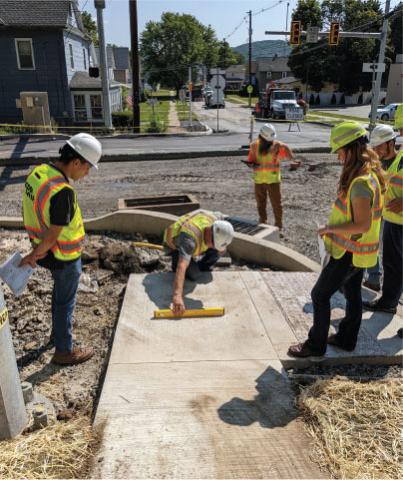
It is essential for a mentee to build an external professional network as they advance in their career. While networking comes naturally to some, it can be daunting for others. Mentors play a key role in guiding mentees to network daily and effectively. One of the most challenging aspects is getting started. By focusing on learning, finding groups that share common interests, reflecting on personal contributions, and seeking a higher purpose, a mentee can reap the rewards of networking. Mentors motivate mentees when they share knowledge and experience and express how external networking benefitted their career.
Within a multigenerational workforce, there is an opportunity for reverse-mentoring—the opportunity for junior staff to help senior staff develop hard skills (with technology, social media, etc.), better understand the younger generation, and receive feedback on effectiveness of leadership style. An opportunity to provide instruction and feedback to a more senior mentee can help the younger mentor improve communication skills and feel a stronger sense of belonging and value in the company.
Mentoring meetings typically occur in person. The COVID Pandemic led to employers offering more flexible and hybrid-remote work options. This had a significant impact on communication with staff, mainly due to the lack of face-to-face interaction. Mentoring relationships, both formal and informal, can be affected when opportunities for face-to-face meetings and collaborations decrease. After implementing "return to office" and offering hybrid-remote work schedules, we found that while most liked the opportunity for parttime remote work, junior employees also valued the opportunity to be in the office working side-by-side with more experienced staff. In a hybrid work environment, it is important to schedule times when mentor and mentee will be in the office together to take advantage of the face-to-face interaction, but virtual meetings can help maintain connection. Scheduling regular ongoing meetings emphasizes the importance of the relationship for both participants.
A Commitment to Mentoring
Mentoring plays a vital role in developing talent, improving professional growth, and creating a sense of belonging within an organization. By embracing multigenerational dynamics and offering various mentoring opportunities, CDM Smith is investing in staff development and creating a complementary workforce. Whether through face-to-face interactions or virtual meetings, a commitment to creating meaningful mentoring relationships can lead to stronger employee engagement, improved skills, and enhanced job satisfaction.
References
CDM Smith. 2025. "Career Development – Career Compass Mentorship Program." CDM Smith. Accessed March 11, 2025. https://www.cdmsmith.com/en/careers/career-development.
Gino, Francesca, Maryam Kouchaki, and Tiziana Casciaro. 2016. "Learn to Love Networking." Harvard Business Review, May 2016. https://hbr.org/2016/05/learn-to-love-networking.
Lettink, Anita. 2023. "What Motivates Employees from Different Generations." The Business Journals Leadership Trust, March 2023. https://trust.bizjournals.com/blog/what-motivates-employees-from-differ….
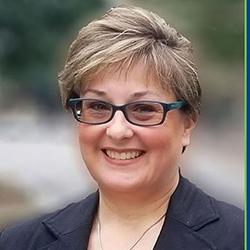
Charlene M. Cassidy, P.E., is a transportation engineer with CDM Smith. Backed by 28 years of experience in roadway design and project management, Cassidy is currently serving as project technical lead on various design projects.
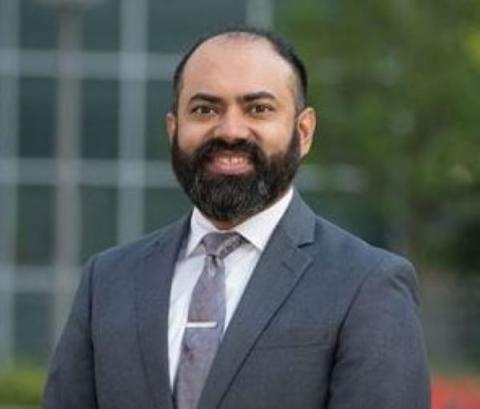
Kazi Hassan, P.E.., PMP, ENV SP, is a roadway design discipline leader and a senior project manager with CDM Smith. Hassan brings more than 20 years of experience managing and designing various roadway and bridge reconstruction projects.
More Leading Insight Articles


Today more than ever, engineers are challenged by collaborating with coworkers who bring differen

Fall 2023
When most people think about engineering, they associate it with problem solving, decision making, or possessing incredible math skills.