Registration is open for NSPECon26 in New York City, New York!
 Volunteering at NSPE is a great opportunity to grow your professional network and connect with other leaders in the field.
 Decisions at the ballot box influence policies that support engineering standards and public safety.
Spring 2024
PE Community: Government
The Future Requires Eco-Conscious Engineers
BY JENNIFER BRUNTON, P.E., CFM, CERP
 My professional journey as an engineer began with a deep commitment to mitigating the impact human progress has had on our environment. I studied civil and environmental engineering with a focus on infusing ecological uplift into the built environment. This combination of engineering expertise and ecological principles has been the cornerstone of my career.
I have always been fascinated by the tensions and opportunities at the interface of natural and built environments. This interface shapes our connection to our environment, influencing our mental and physical health and forging our connection to the greater ecological web. I am so fortunate to have a career focused on fostering that interface. Every day, I’m challenged to go beyond "either/or" thinking to consider a "both/and" approach.
Some may voice concerns about whether the US is prepared to manage the risks associated with climate change. Yet, I see a powerful opportunity to apply technical knowledge and creativity to redefine what’s possible and set a new paradigm.
For example, my colleagues in the industry and I saw the potential to move beyond "gray infrastructure" (think: concrete) as an industry standard and searched for ways to leverage co-benefits in our engineering solutions, leading to the rise of green infrastructure and naturebased solutions.
We are developing engineered oyster reef systems using biodegradable concrete, reef balls and rock to serve as living breakwaters that provide storm protection, promote biodiversity and improve water quality.
Imagine a coastline where seawalls serve as thriving habitats for marine life, urban hubs with active multimodal transportation networks that run on renewable energy, and communities where affordable housing is more resilient thanks to cloudburst strategies that mitigate flooding while providing open space and ecological benefits. These aren’t just dreams; they are examples of work already underway to shape our future. We are closing the gap to move these examples from innovative to mainstream. But that hasn’t been the dominant story.
Almost as soon as the pandemic started, so did the threat to the future of our great cities. It’s true that the past few years haven’t been easy for our urban centers. But there is an optimistic trendline emerging, driven by the creativity and tenacity of my engineering and planning colleagues.
From my home in the New York tri-state area, I see meaningful changes and improvements in the fabric of New York City’s landscape. In just the past few years, my engineering and design colleagues have promoted accessibility via the Penn Station redesign; sustainability via wetland restoration; community development via Hudson Yard; healthy outdoor options via Shirley Chisholm State Park; and climate resilience via nature-based solutions like an oyster reef off the coast of Staten Island, to name but a few.
Across the continent in San Francisco, engineers are building the world’s first LEED platinum airport and developing new ways to manage highway express lanes. From even faster broadband to offshore wind, colleagues are creating new connectivity to help the Bay Area thrive. The breadth of innovative investment already underway in that region and across the country is inspiring.
Nothing in our urban landscape is a given. I’m privileged to work for a company with roots dating back to 1885, and I often pause to consider what our cities looked like then— before landmark bridges and towers, before electricity and paved roads were commonplace. Looking forward, what will our country look like in 10 years or 20, or even 100-plus years from now?
Infrastructure can enable growth, yet designing and building effective infrastructure requires people with vision, skill, creativity, and boldness. That’s where the next generation of engineers comes in. The future demands engineers who are bridge builders of another kind—leaders who can help connect the technical aspects of their field with ecological and sociological realities and needs of the communities they serve. Effective solutions to today’s challenges require engineers who are technically skilled and embrace collaboration, sustainability, and equity in all they do.
So, it’s concerning that approximately 33% of new engineering roles are unfilled1, with a particularly acute gap in software, industrial, civil and electrical engineering. I hope today’s students are paying attention. Studies suggest2 that Gen Z wants to change the world; engineering is a powerful (and too often underrated) way to shape what’s possible. Today’s engineers need to connect with them and encourage others to join our profession.
Forward-thinking engineers, designers and planners are urgently needed to build healthier, more equitable and sustainable neighborhoods and cities, and prepare for a tomorrow that will look and feel very different from the world we live in today. In rising to meet today’s challenges—from energy to transportation to greater climate resilience—it’s possible to help communities become even more future ready. And engineers have a particularly important role to play. Are you in?
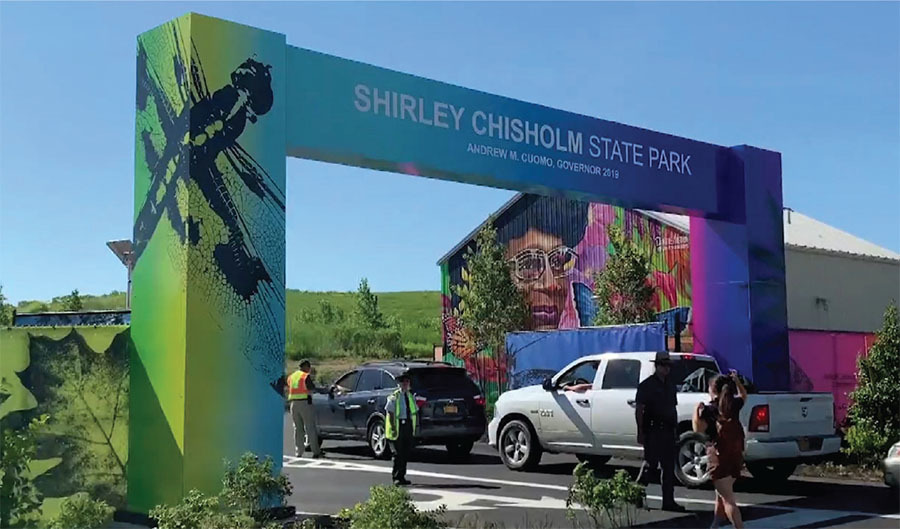
SHIRLEY CHISHOLM STATE PARK, IN BROOKLYN, NEW YORK, IS AN EXAMPLE OF A MAJOR OPEN SPACE RECLAMATION PROJECT THAT INVOLVED THE IMPORT AND PLACEMENT OF MORE THAN 1.2 MILLION CUBIC YARDS OF CLEAN SOIL AT THE CAPPED LANDFILL; PLANTING OF MORE THAN 35,000 TREES; AND DESIGNING MILES OF BIKING AND HIKING TRAILS, PICNICKING SITES, AND WATERFRONT FACILITIES. WSP USA AND ECOLOGY & ENVIRONMENT (E&E) PARTNERED ON THE PROJECT TO PROVIDE COMPREHENSIVE SITE INVESTIGATION, ENVIRONMENTAL PERMITTING AND SITE DESIGN SERVICES.
JENNIFER BRUNTON, P.E., CFM, CERP, IS SENIOR VICE PRESIDENT, EAST US WATER LEAD AT WSP, A LEADING ENGINEERING, ENVIRONMENT, AND PROFESSIONAL SERVICES FIRM. SHE BELIEVES THAT WE EACH HAVE THE POWER TO MAKE A POSITIVE IMPACT ON OUR ENVIRONMENT AND SOCIETY THROUGH OUR WORK. SHE CAN BE REACHED ON LINKEDIN.
1"The World Need More Engineers. What’s the Solution?" (December 13, 2023), the Boston Consulting Group and SAE International (https://www.bcg.com/publications/2023/addressing-the-engineering-talent…)
2 "8 Ways Gen Z Will Change the Workforce" (February 14, 2024), Stanford Report (https://news.stanford.edu/stories/2024/02/8-things-expect-gen-z-coworker)