

 Registration is open for NSPECon26 in New York City, New York!
 Volunteering at NSPE is a great opportunity to grow your professional network and connect with other leaders in the field.
 Decisions at the ballot box influence policies that support engineering standards and public safety.
March/April 2017
PE Report
Indiana Piping Bill Encroaches on Engineering Expertise
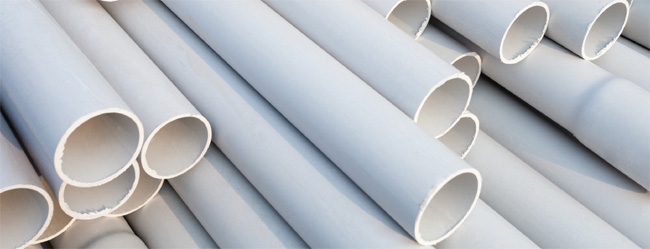
Professional engineers are questioning a bill introduced in the Indiana General Assembly that would require consideration of PVC pipe for public works projects.
The Indiana Society of Professional Engineers and the state chapter of the American Council of Engineering Companies are concerned that the bill may hinder the ability of engineers to use their expertise to determine the types of materials that are appropriate for projects.
The legislation (H.B. 1226), introduced in January, says that state and local public works projects must specify that all piping materials that meet the recognized standards of the American Society for Testing and Materials or the America Water Works Association may be acquired and used for public works projects. The legislation also encourages the procurement of more cost-effective and durable materials to ensure a savings in project expenditures. The bill stipulates that four piping materials characteristics—quality, sustainability, durability, and corrosion resistance—should be considered when acquiring piping materials for a project.
Similar piping bills were introduced in Ohio and South Carolina in 2016. Both the Ohio Society of Professional Engineers and the South Carolina Society of Professional Engineers opposed the bills because they believe that the project engineer should make the final decision on the types of materials that should be used for a public works project when approving or stamping a design.
NSPE believes that professional engineers should use their own sound judgment based on experience, expertise, qualifications, and the applied knowledge of engineering principles to determine the type of pipe that is used in any situation, not the state. According to NSPE Position Statement 1745, an engineer in responsible charge should be completely in charge of, and satisfied with, the work product of the engineering services rendered. The engineer in responsible charge should also have and exercise the authority to review and reject or approve both the engineering work in progress and the final work product.
More PE Report Articles
March/April 2017
March/April 2017
March/April 2017
March/April 2017
November/December 2016