

 Registration is open for NSPECon26 in New York City, New York!
 Volunteering at NSPE is a great opportunity to grow your professional network and connect with other leaders in the field.
 Decisions at the ballot box influence policies that support engineering standards and public safety.
January/February 2017
Communities: Private Practice
Content Marketing and Today’s Engineering Firm
BY SYLVIA MONTGOMERY
 Today, buyers of engineering services have access to a wealth of information. And they use that information to find, vet, and select firms. Content marketing offers a way for clients to discover your firm and extend your reputation at the same time.
I’d like to begin with some interesting research findings:
- 81% of referrals check out a firm’s website.
- 44% of those referred ruled out a firm because they couldn’t understand how it could help them.
- 24% of those referred ruled out a firm because of poor-quality content.
Content marketing builds trust. In fact, prospects rely heavily on content before and after the sale. Content marketing offers engineering firms the following benefits:
- Demonstrates expertise;
- Provides insight into a firm’s thinking and approach;
- Generates visibility through online searches;
- Helps qualify and nurture leads;
- Builds your brand;
- Costs less than traditional marketing; and
- Works around the clock and around the globe.
Getting content out to prospects lowers acquisition costs and builds critical trust well before the initial conversation. Prospective clients that trust your expertise before you meet them are far more likely to turn into clients.
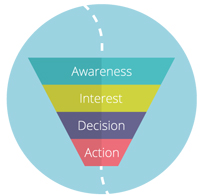 The role of content does not end when a prospect turns into a client. The newly minted client wants to know that they made the right decision, and offering a regular flow of expert educational content can reassure them that they are in capable hands. Content can also generate referrals.
Moreover, the same content you use to attract and nurture clients can be a valuable recruiting tool. Today, talent is hard to find. Content provides a platform to project your firm’s expertise and culture to prospective hires. Top recruits, after all, want to work for thought leaders—and content can build that reputation.
Types of Content
For most firms, blogging is the easiest way to get started marketing content. Because blog posts can be any length and less polished than, say, a magazine article, they can be produced quickly. If commenting is enabled, blog posts also provide a great way to interact with your audience.
But blogs only scratch the surface. Here are some other important content marketing vehicles to consider as you retool your marketing plan:
- Webinars: A good way to demonstrate your firm’s expertise, educate your audience, and cultivate interested leads. Recorded webinars can be added to your library of content.
- Articles and white papers: Perhaps the most familiar form of thought leadership, these medium-length pieces are still valuable. If they are substantive enough, consider putting them behind a registration form so that you can collect contact information.
- Social media: These tools, especially LinkedIn and Twitter, can be important channels to speak directly to your audience, answer questions, and promote your educational material. For firms with a heavy recruiting push, Facebook and Instagram can be effective platforms to promote your culture.
- E-newsletters: Many people prefer to receive educational content by e-mail. This gives you the ability to share more of your expert material with them.
- E-books: For the ultimate credibility boost, publish a book-length study on a topic. Usually, you will want to put something this valuable behind a short registration form.
- Kits and guides—These medium-length pieces make terrific offers on your website, in pay-per-click ads and in email marketing campaigns. Put them behind a registration form.
Topics for Your Content
Okay. You’ve bought into the concept of content marketing. But what do you write about? Inevitably, someone in your firm will ask the question, “Won’t I be giving away my secrets?” Well, you have to use your judgment here. If you have a proprietary process or technique that gives your firm a tangible competitive advantage, then you might want to keep that under wraps. But most knowledge is not proprietary. And the more you give away, the more credible you will be.
When you write, focus on the issues that are most important to target audiences. You can explore trends, new regulations, strategies to overcome common challenges—the possibilities are endless.
Many of today’s buyers are self directed and rely on online tools—such as search, company websites, and free online content—to educate themselves about their engineering problems and identify the firms that will help them overcome those challenges. Content marketing addresses these buyers at every stage of the buyer’s journey—and gives firms a powerful new advantage.
Sylvia Montgomery is a senior partner at Hinge, a marketing and branding firm for professional services, where she provides strategic counsel to national clients. She can be contacted at www.hingemarketing.com.
More PE Community: Private Practice Articles
September/October 2016
November/December 2015