

 Registration is open for NSPECon26 in New York City, New York!
 Volunteering at NSPE is a great opportunity to grow your professional network and connect with other leaders in the field.
 Decisions at the ballot box influence policies that support engineering standards and public safety.
March/April 2016
NSPE Today: Policy Perspectives
Who’s Looking Out for the PE?
Regular readers of PE won’t be surprised to hear that NSPE and the organization’s state societies are the front-line advocates for professional engineers.
What may be a surprise—and is actually quite impressive—is the extent of the advocacy news from 2015. A review shows a network of organizations that has the best interests of the professional engineer in mind and works diligently to define, promote, and protect the PE’s role in society.
Take a look.
These 12 examples show how PEs, working together, can create a better, stronger profession. Of course not every advocacy effort leads to a victory, but by continuously showing up and being recognized, PEs stand apart. They’re recognized by legislators and regulators for their technical expertise as well as a foundational commitment to the public health, safety, and welfare.
So, when the question arises, “Who’s looking out for the PE?” there’s a three-part answer: NSPE, the network of state societies, and most importantly, you.
If you missed these stories, check out Taking Action: 2015, a PDF of these stories and others.
You’ll also find other examples of NSPE in action at www.nspe.org/resources/issues-and-advocacy/action-on-issues.
-

FL: The Florida Engineering Society pushed for the inclusion of qualifications-based selection in legislation that sought to change the proposal process for public-private partnership projects. -
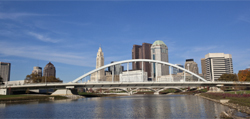
OH: Rep. Louis Blessing, III, P.E., an NSPE member, introduced legislation in the Ohio House to implement an ethics continuing education requirement for PEs renewing their licenses. -
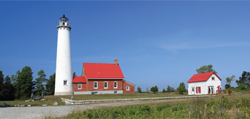
MI: The Michigan Society of Professional Engineers urged voters to support a funding package to address the state’s transportation system needs and improve its quality and safety. -

AR: The Arkansas Society of Professional Engineers supported a measure to give licensed design professionals increased immunity from personal liability when they volunteer their services in response to natural disasters and declared emergency situations. -

MD: The Maryland Society of Professional Engineers backed legislation requiring a licensed engineer to be in responsible charge of reviewing and approving engineering documents for state and local projects. -

MN: Governor Mark Dayton signed a bill, supported by the Minnesota Society of Professional Engineers, specifying that professional engineers licensed in the state are qualified to practice engineering without additional licenses or certifications. -

CT: The Connecticut Society of Professional Engineers backed Governor Dannel Malloy’s approval of legislation that sets a 10-year statute of limitations on state-initiated claims relating to construction and design projects. -

TX: The Texas Society of Professional Engineers supported legislation signed by Governor Greg Abbot that protects design professionals from a duty to defend government agencies for any liability other than that caused by or resulting from the design professional’s negligent acts. -

ME: The Maine Society of Professional Engineers celebrated after a budget proposal to levy a sales tax on engineering services was rejected by the legislature’s Taxation Committee. -
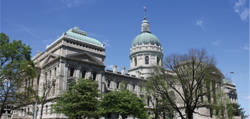
IN: As the result of extensive advocacy efforts by the Indiana Society of Professional Engineers and NSPE, the Indiana Job Creation Commission rescinded a troubling recommendation to eliminate licensure of the professional engineer. -

NY: The New York State Society of Professional Engineers backed legislation ensuring that geologists can be licensed in the state without interfering with the practice of licensed engineers. -

GA: The Georgia Society of Professional Engineers supported legislation signed by Governor Nathan Deal that could generate nearly $1 billion in revenue for state and local transportation projects. The transportation funding act provides a mix of mechanisms to increase revenue to close infrastructure funding gaps, including a 29.2 cent excise tax, which replaces a motor fuels sales tax.
More NSPE Now: Policy Perspectives Articles
July/August 2015
January/February 2015