Registration is open for NSPECon26 in New York City, New York!
 Volunteering at NSPE is a great opportunity to grow your professional network and connect with other leaders in the field.
 Decisions at the ballot box influence policies that support engineering standards and public safety.
March/April 2018
Variables
Tiny House, Massive Restoration
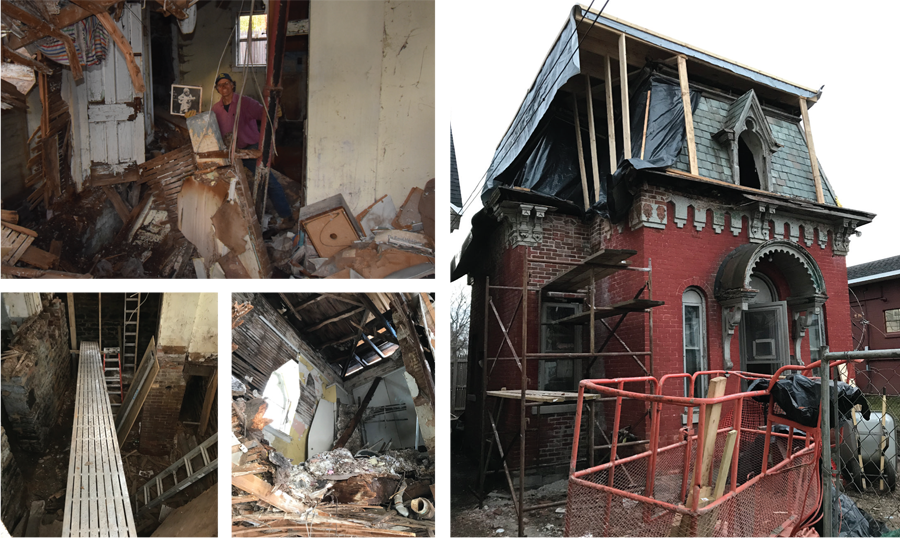 CLOCKWISE FROM TOP LEFT: (1) TRACY INSIDE OF THE HOUSE (2) TEMPORARY VERTICAL ROOF SUPPORTS INSTALLED ON TOP OF THE NEWLY REPAIRED MASONRY WALLS (3) LOOKING UP AT THE ROOF WITH PART OF THE SECOND FLOOR MISSING (4) INTERIOR DURING WORK
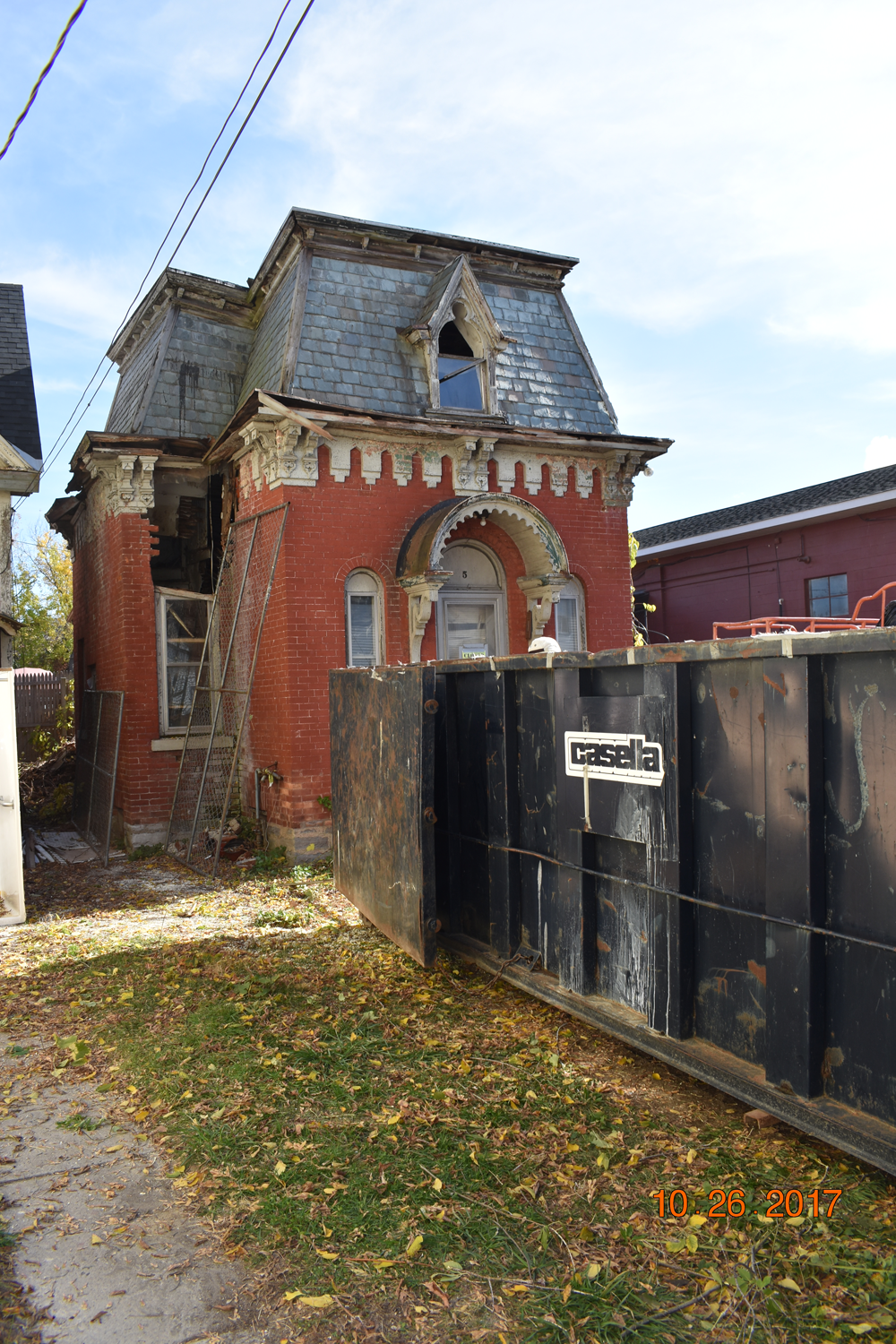
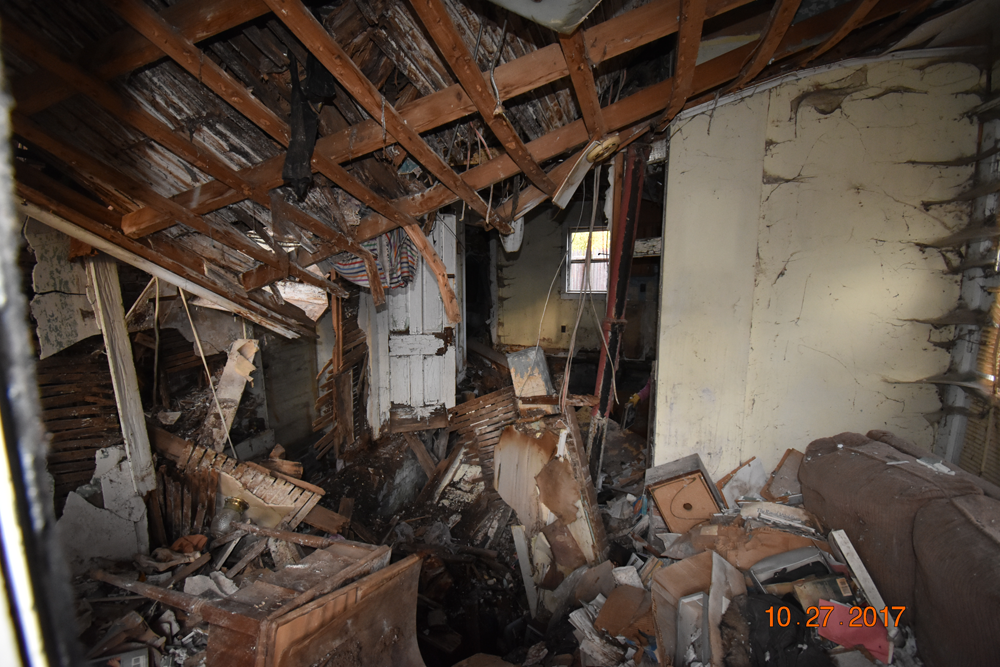
The house was in rough shape. Parts of the roof and the floors below had collapsed into the basement. Water festered inside. And the rooms overflowed with debris, as if the last resident had simply closed the door on the upstate New York home and walked away.
The disrepair was so extreme, NSPE member Darren Tracy, P.E., thought the structure might be beyond help. But after a half-dozen visits, he decided he could save the 627-square-foot “tiny home of 1870s vintage.”
He bought the Victorian Second Empire house from the city of Glens Falls, New York—which had previously seized it for back taxes—for $1. Known as Dr. Ferguson’s office, for the doctor who once practiced there, the house is listed on state and federal historic registers.
Tracy is not unfamiliar with historic restoration projects. He had first learned of the house from Adirondack Architectural Heritage, a preservation organization that had helped him and his wife with a previously condemned building they had purchased, renovated, and put on the National Register of Historic Places.
Tracy’s unique background, “lots of practical experience plus the technical background,” also makes him particularly suited for such work. He earned his PE just six years ago, but the 58-year-old has a long history in construction. He has worked as a building contractor and co-owns a construction company, West Branch Inc., with his wife. Tracy’s other company, West Branch Engineering and Consulting PLLC, specializes in areas such as construction consulting, structural engineering, and historic preservation.
He has completed a lot of the demolition himself and used subcontractors for masonry, framing, and finishes. One key task—installing a temporary roof to protect the house from further deterioration during the winter—he took on himself.
“I framed this in about six hours by myself,” Tracy wrote on his company’s Facebook page, where he has been posting updates on the project. “I would rather swing a hammer than a pencil, and sad will be the day when I’m only able to swing pencils. I know that day is coming.”
Tracy sees old structures as reminders of our mortality. While few material items last even throughout our lifetimes, such buildings “are a three-dimensional representation of something that existed before us and, if taken care of, will exist after we perish,” he says.
Although Tracy hasn’t decided what he will do with the house when he has finished, the community has been extremely supportive of the work. People driving by honk with their thumbs held up, and others stop to talk.
In the Rust Belt, a lot of the old industrial towns have seen better days, Tracy notes. Watching buildings fall apart is not great for morale. Seeing one being saved, however, “helps the human spirit.”
Go to www.facebook.com/WestBranchEngineering for additional photos and project updates.
2019 House Update
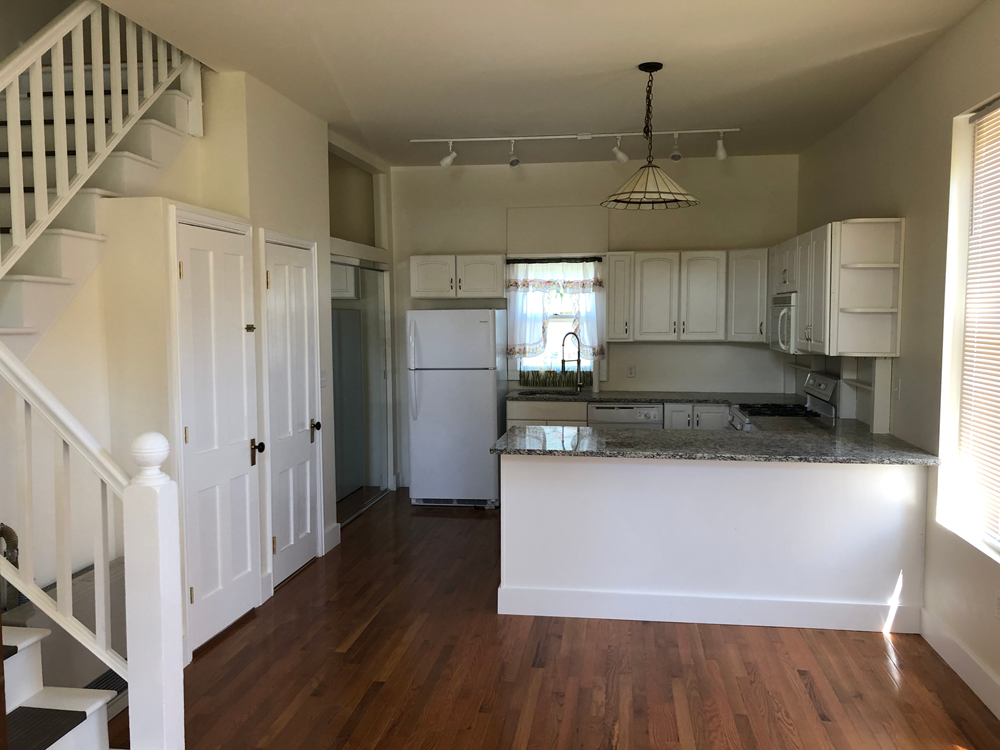
The 800-square-foot structure required a complete gutting. It's now been thoroughly renovated, including new plumbing, heating, and electrical systems. The house was previously listed on the National Register of Historic Places; Tracy made sure to preserve historic elements that allowed him to claim federal and state historic tax credits as well.
Tracy says, "We received the certificate of occupancy on 7/1/19. We rented the house almost immediately after advertising."
-
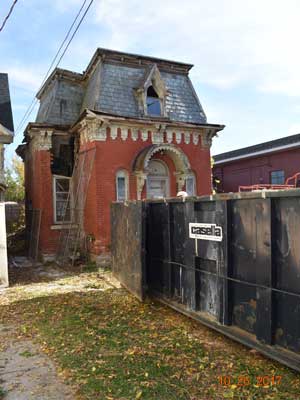
OUTSIDE OF HOUSE BEFORE
VIEW LARGER -
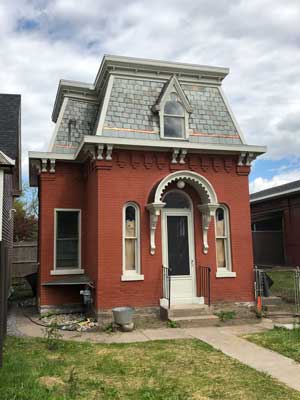
OUTSIDE OF HOUSE AFTER
VIEW LARGER -
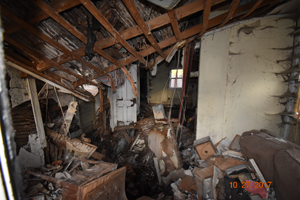
INSIDE OF HOUSE BEFORE
VIEW LARGER -
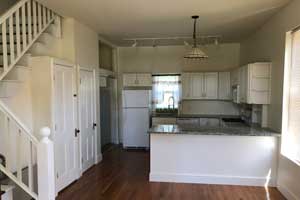
INSIDE OF HOUSE AFTER
VIEW LARGER