Registration is open for NSPECon26 in New York City, New York!
 Volunteering at NSPE is a great opportunity to grow your professional network and connect with other leaders in the field.
 Decisions at the ballot box influence policies that support engineering standards and public safety.
Licensure, ethical practice, and professional engagement are essential to credibility in engineering.
Engineering is a profession built on public trust. Every bridge we cross, building we occupy, and system we rely on depends on the judgment, competence, and integrity of the engineers behind it. For that reason, licensure and ethical practice are foundational to our profession.
In an era of increasing technical complexity and public scrutiny, licensure reinforces credibility and ensures that engineering judgment is exercised by those qualified to uphold it. A licensed professional engineer (PE) is both legally and ethically accountable for their work. Licensure distinguishes engineers and signals to employers, clients, and the public that an engineer is qualified to take responsible charge for engineering decisions.
An Obligation to Serve the Public
As a practicing professional engineer, my licensure and what it represents has always been important to me. I recall the day I sealed my first report. I had worked on the calculations and content under the direction of the firm’s principal engineer for months. When I received my PE seal, he walked into my office, handed the report back to me and said, "You did the work on this, feel free to seal it and send to the client." I paused. For the first time my name and seal would formally stand behind the work. The desire to confirm every detail was heightened the moment I placed my seal and signature on the document. I felt the weight of our duty to protect public health, safety, and welfare.
Part of our obligation as PEs is to maintain strong ethical standards in the face of pressures related to cost, schedule, politics, and competing interests. Engineers routinely face dilemmas such as being asked to sign off on work that has not been adequately reviewed, deciding whether to report a colleague’s misconduct, balancing client obligations against the duty to protect public safety, and resisting requests to misrepresent project costs or performance. Ethical principles provide a framework for navigating these challenges, prioritizing public safety, honesty, competence, and accountability above all else. The NSPE Code of Ethics helps engineers navigate dilemmas, make principled decisions, and act with integrity.
For me, NSPE membership has expanded my understanding of the importance of my chosen profession. When I first joined NSPE, I thought of engineering as a job. Becoming involved deepened my appreciation for our obligation to serve the public, and I quickly embraced engineering as a professional career grounded in responsibility and trust. Over time, being a PE became part of my core identity. A Support System for Licensure and Ethical Practice PEs and engineers on the path to licensure need support and resources as we navigate our careers at all levels. NSPE membership plays a vital role in supporting both licensure and ethical practice. Through advocacy and professional resources, NSPE promotes policies that protect the integrity of licensure. As NSPE members we can have a voice at both the state and national levels on the legislative and regulatory discussions that shape the future of the profession.
Beyond advocacy, NSPE fosters professional growth and ethical awareness. Our organization offers continuing education opportunities, career development resources, mentoring and leadership development opportunities, and Board of Ethical Review case studies that help us and other engineers to stay current and grounded in professional responsibility. We are a community of peers who share a commitment to high standards and collaboration across disciplines and career stages.
I am proud of the work NSPE does to foster licensed professional engineers in service to society, as we strive for a world where the public can be confident that engineering decisions affecting their lives are made by qualified and ethically accountable professionals. As NSPE members, we affirm our dedication to lifelong learning, ethical conduct, and service to the public. Our collective commitment and advocacy strengthen public confidence in the profession and helps ensure that engineering decisions are guided by expertise and integrity.
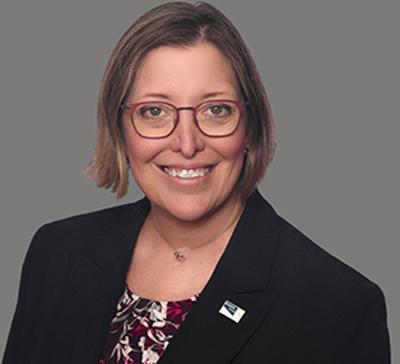
Julia Harrod, P.E., F.NSPE, is president & CEO of MWM DesignGroup, a Texas-based firm providing integrated services in architecture, civil engineering, landscape architecture, surveying, and permitting.
More NSPE Now: Outlook Articles

As NSPE members, our Society is the go-to source for career growth and leadership development assets.

The engineering profession is undergoing significant evolution, driven by the need for inclusivit