

 Registration is open for NSPECon26 in New York City, New York!
 Volunteering at NSPE is a great opportunity to grow your professional network and connect with other leaders in the field.
 Decisions at the ballot box influence policies that support engineering standards and public safety.
The US job market is at a critical turning point, shaped by technological advancement, demographic change, and shifting workforce priorities. Where does the engineering profession stand in the current environment?
Randstad reports in its latest salary guide that rapid innovation across industries is driving demand for several high-growth engineering disciplines, influencing both hiring activity and compensation trends nationwide. These roles reflect broader economic and technological shifts that are reshaping workforce needs and salary benchmarks across the engineering labor market.
Key Trends to Watch
AI and machine learning engineering represent some of the fastest-growing segments, with projected employment growth of 26% through 2033. As organizations in healthcare, finance, manufacturing, and retail integrate intelligent systems into core operations, demand remains strong for engineers with advanced technical expertise, contributing to upward pressure on salaries at middle and senior career levels.
- Industrial engineering is also experiencing steady expansion, with projected growth of 12%. Persistent supply chain challenges, efficiency initiatives, and cost-containment efforts are driving continued investment in process optimization, supporting competitive compensation for experienced professionals who can improve operational performance.
- Sustainability initiatives are strengthening demand in renewable energy and environmental engineering. Regulatory requirements and large-scale clean energy investments are creating sustained hiring needs, particularly for engineers with specialized technical and compliance expertise. Biomedical engineering is expected to grow by 7%, supported by demographic trends and ongoing medical technology innovation, reinforcing stable salary growth in healthcare-related engineering roles.
- Financial tech engineering continues to benefit from the broader digitization of financial services, including the adoption of blockchain and other emerging technologies. As financial institutions modernize systems and expand digital capabilities, compensation remains competitive for engineers with niche technical skill sets.
These workforce trends underscore increasing competition for specialized engineering talent. Employers in high-growth sectors must align compensation strategies with market benchmarks while also differentiating roles through career advancement opportunities, exposure to emerging technologies, and involvement in high-impact initiatives.
National Engineering Salary Ranges (2026)
Civil Engineer
ENTRY: $64,167 – $85,024
MID: $88,992 – $100,320
SENIOR: $104,480 – $118,496
Construction Manager
ENTRY: $90,016 – $96,992
MID: $99,424 – $110,472
SENIOR: $112,736 – $118,624
Electrical Engineer
ENTRY: $70,984 – $98,976
MID: $87,664 – $118,240
SENIOR: $107,183 – $126,080
Manufacturing Engineer
ENTRY: $73,444 – $87,520
MID: $87,196 – $98,257
SENIOR: $103,585 – $111,792
Mechanical Engineer
ENTRY: $76,000 – $91,808
MID: $95,008 – $106,016
SENIOR: $109,984 – $114,526
∗Randstad 2026 Salary Guide
More PE Report Articles

STEM education sits at the center of the nation’s competitiveness and its ability to meet modern
NSPE has launched its Ask Me Anything (AMA) online platform

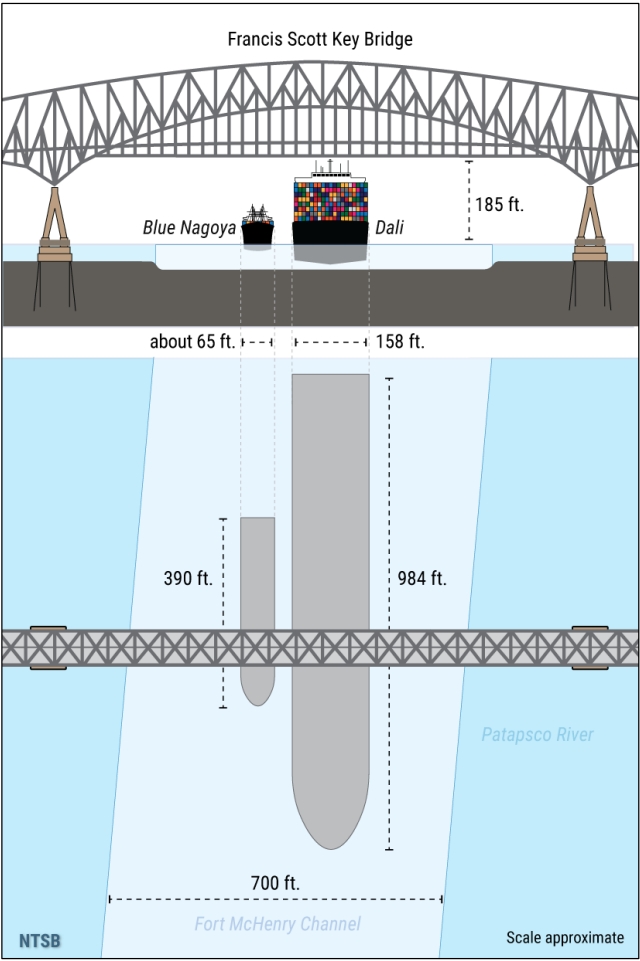
A faulty wire contributed to containership Dali’s loss of power prior to t

Professional engineers across the country continue to make their voices heard with members of Con


The US public is highly aware of artificial intelligence (AI), but there remains a significant ga

The future of the US Chemical Safety and Hazard Investigation Board (CSB) remains uncertain as Co

The Freedom to Invest in Tomorrow’s Workforce Act was signed into law as part of the One Big Beautiful Bill Act. This expansion of 529 education savings plans marks a major win for NSPE members.

If you reside in a state with high numbers of STEM professionals and technical companies, it’s li